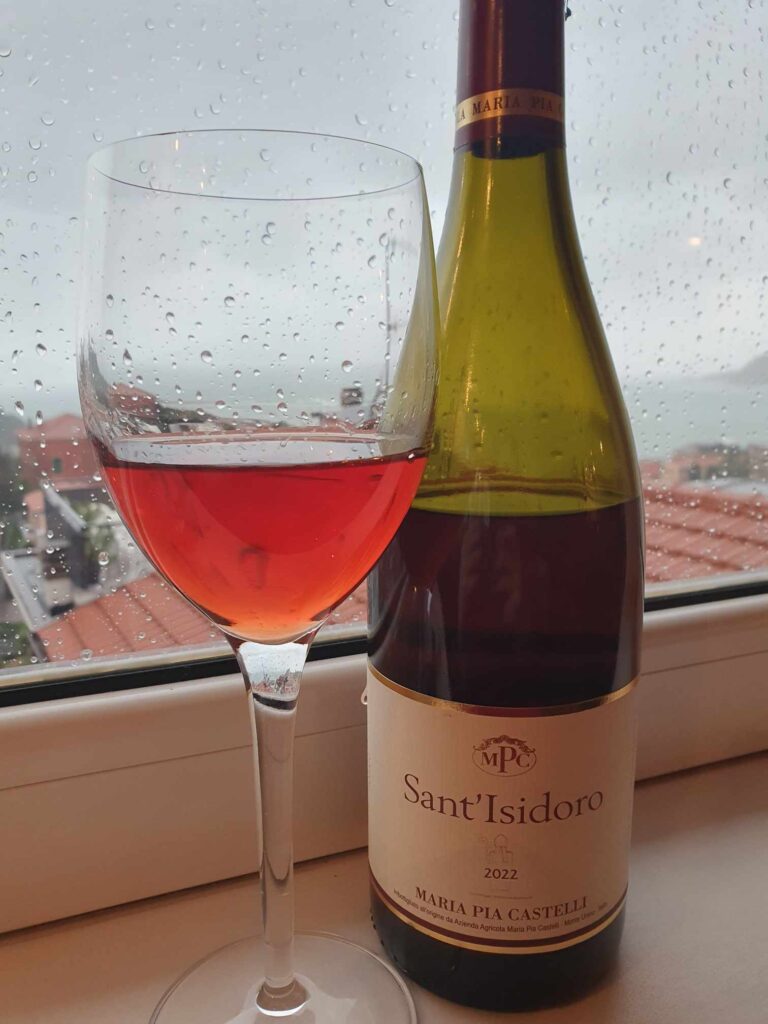
I don’t usually fall into the consumerism trap of things like Black Friday. But last Friday when I learnt of it being International Rosé Day, I felt like pouring myself a glass of well-chilled rosé right away. Yes, the fourth Friday of June could easily be a critical point till which the accumulated summer heat not only obliges people to take a sip of rosé, but it probably even encourages a bath in a tank of 5°C rosé. A never better timing to celebrate rosé. Well done Provence.
I was having a Chinese lunch with a friend on Friday, where no rosé was on the menu. Disappointing but understandable. Come evening, at a burger place, wine options were white, red and sparkling. The only rosé was a Prosecco, by bottle. Disappointing and not ordering.
In fact, I have nothing against Prosecco. But Prosecco is predominantly made from Glera, a white grape. Any pink colour in a rosé Prosecco should come from up to 15% of Pinot Noir in the blend. Personally I just prefer rosé to be made 100% from black grapes.
Then on Saturday, when the rosé day had passed, I decided to get over with rosé and snatch myself a good old Lambrusco.
While some Lambrusco may still strike you as good-for-nothing, well-made ones like Concerto by Medici Ermete and Vecchia Modena by Cleto Chiarli can be really impressive, and just too resonable-priced to be true.
At Saturday dinner, as I poured Leclisse, a Sorbara-based Lambrusco made by Paltrinieri Winery, I was surprised to see an almost colourless salmon pink colour flowing out of the neck of the bottle. A Lambrusco, if not particularly stated on the label, is presumably red. I guess this was the universe insisting on my celebrating International Rosé Day, however belated.
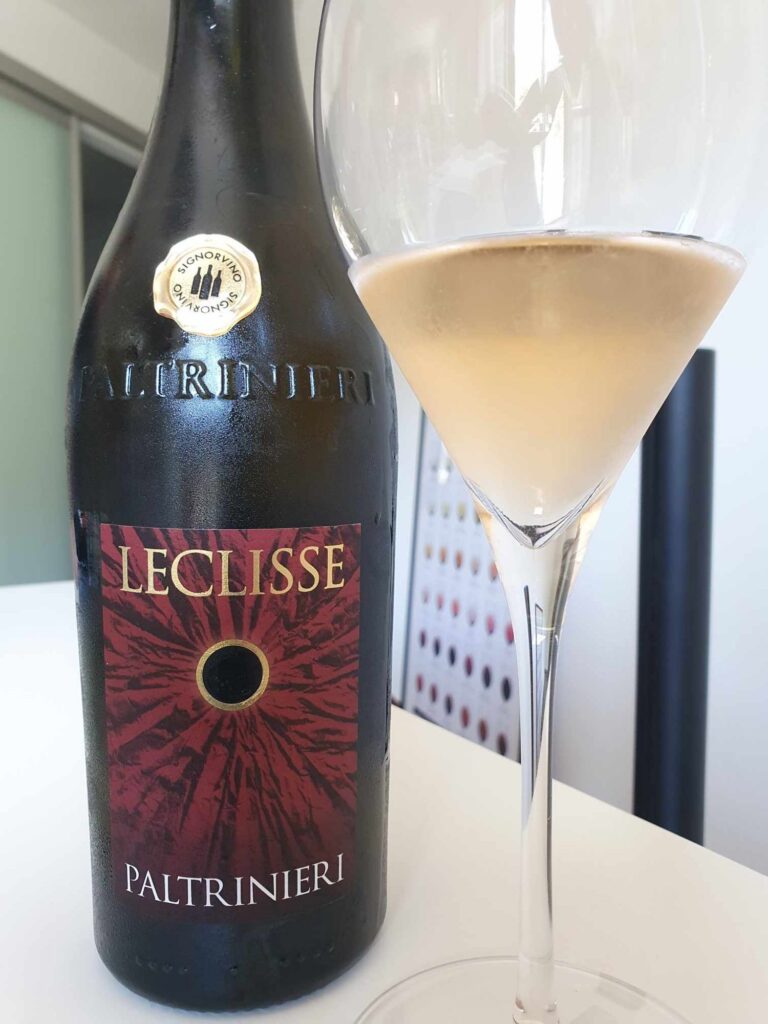
This palest pink indicated Leclisse had been made from direct pressing.
Direct pressing, as the term implies, means grapes are pressed directly with juice kept and skins removed before fermentation. Grape skins happen to be where most flavour compounds and pigments are found. In the case of direct pressing, since skins play almost zero part in the winemaking process, the wine made will tend to be light in both colour and flavour. For black grapes that have an inherently low flavour intensity, rosé made this way can be at risk of being too subtle to taste of anything other than ethanol.
While Leclisse did taste of more than just ethanol, there was nothing fruity like what you’d usually detect in a Sorbara. The most distinctive character I perceived in this wine was brown sugar, a flavour generated by the Maillard reaction, found mostly in aged wines, not supposed to be in a not ageworthy Lambrusco.
Despite a non-vintage sparkler, the vintage can still be determined if you’re willing enough. According to the lot number stamped on the label, this Leclisse was bottled in 2023. Judging from its winemaking: a few months of fermentation plus a few months of maturation, it’s easy to tell the grapes had been harvested in 2022. For a Lambrusco, it was indeed a little too old at this point. Compounded possibly by a less ideal cellaring condition, say a storage room with no temperature control in Milan in summer, that is, 40 plus degrees Celsius, no wonder this Lambrusco was no fruits but all brown sugars. Still drinkable and interesting though. At the end of the day, every bottle is either an opportunity to indulge the soul or to learn a lesson. Next time purchasing a Lambrusco, I will make sure to double check the lot number on the label.