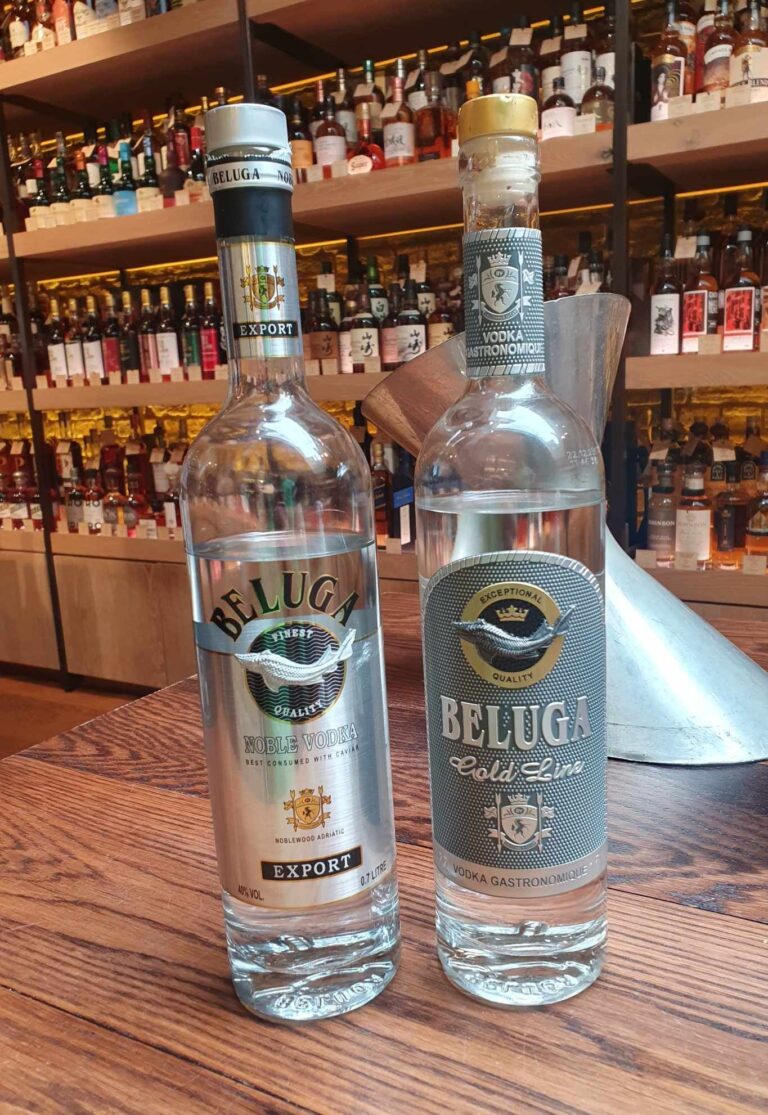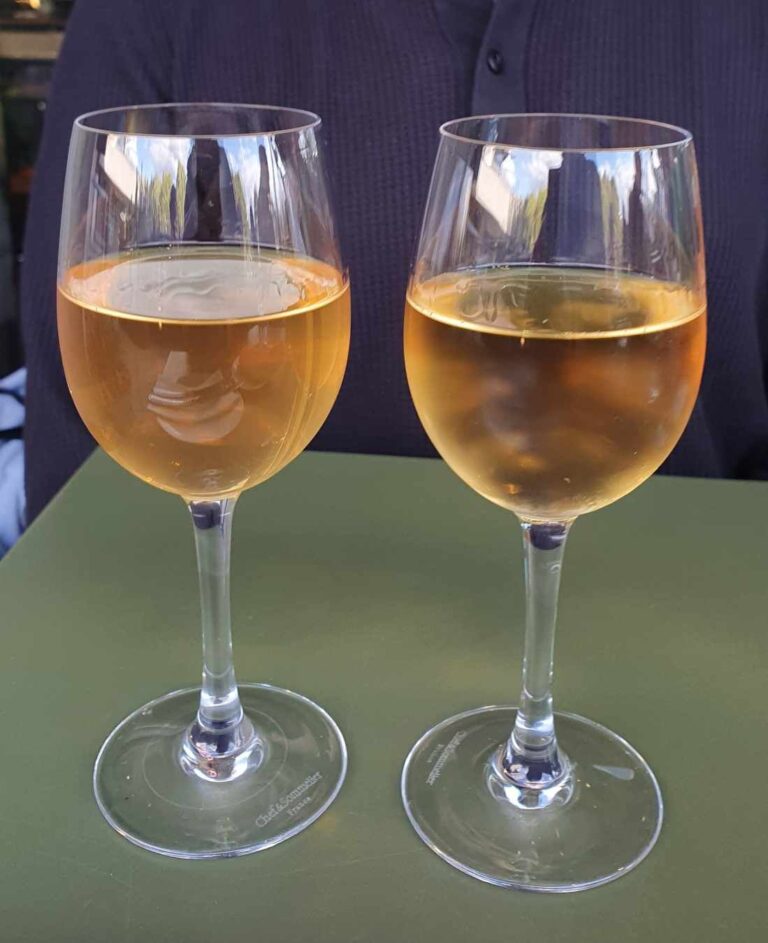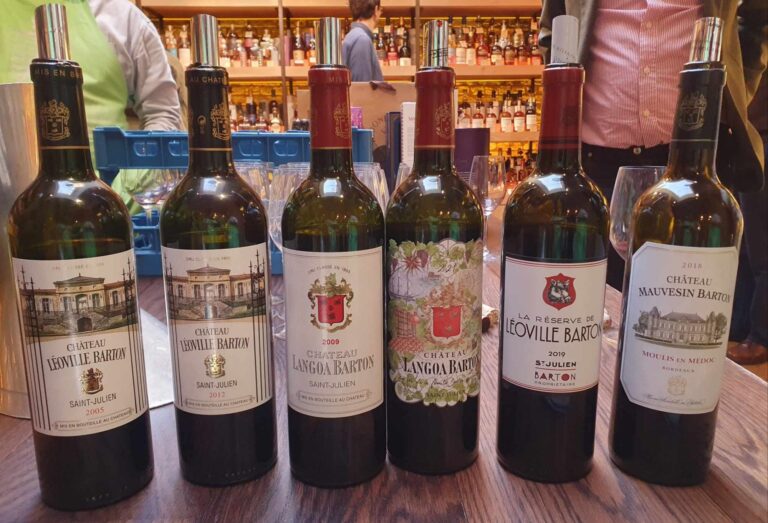
● What: Blind tasting of 15 wines
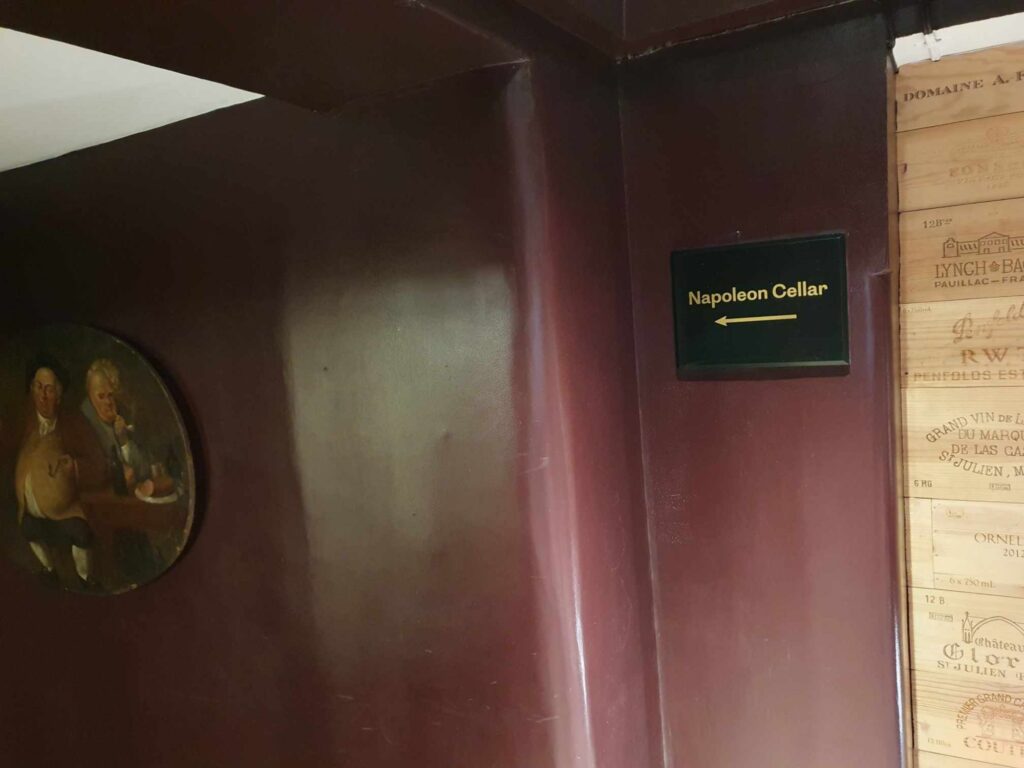
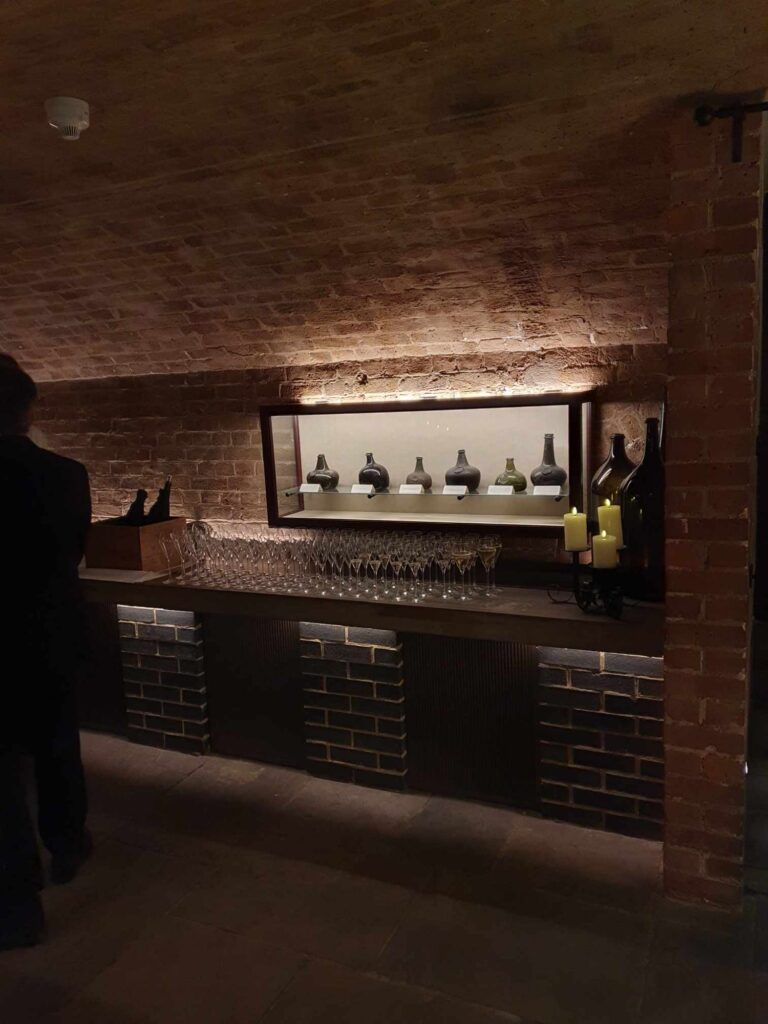
● Where: HQ of Berry Bros. & Rudd (BBR), oldest British wine merchant with a 328-year history
● With: The other 74 participants
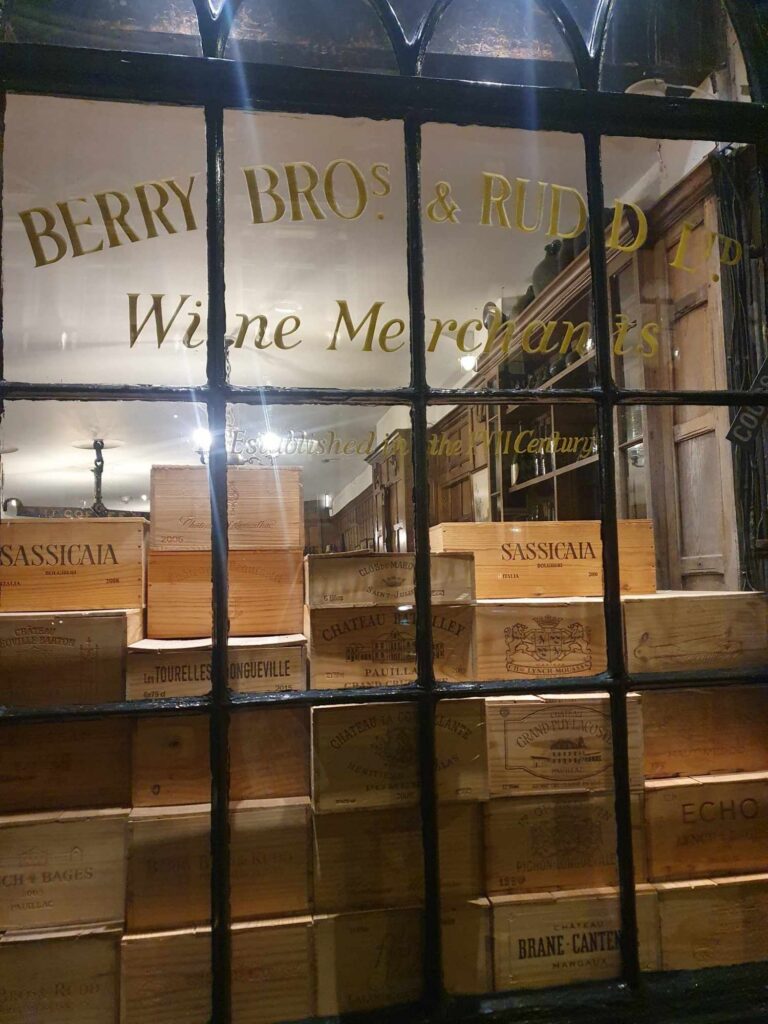
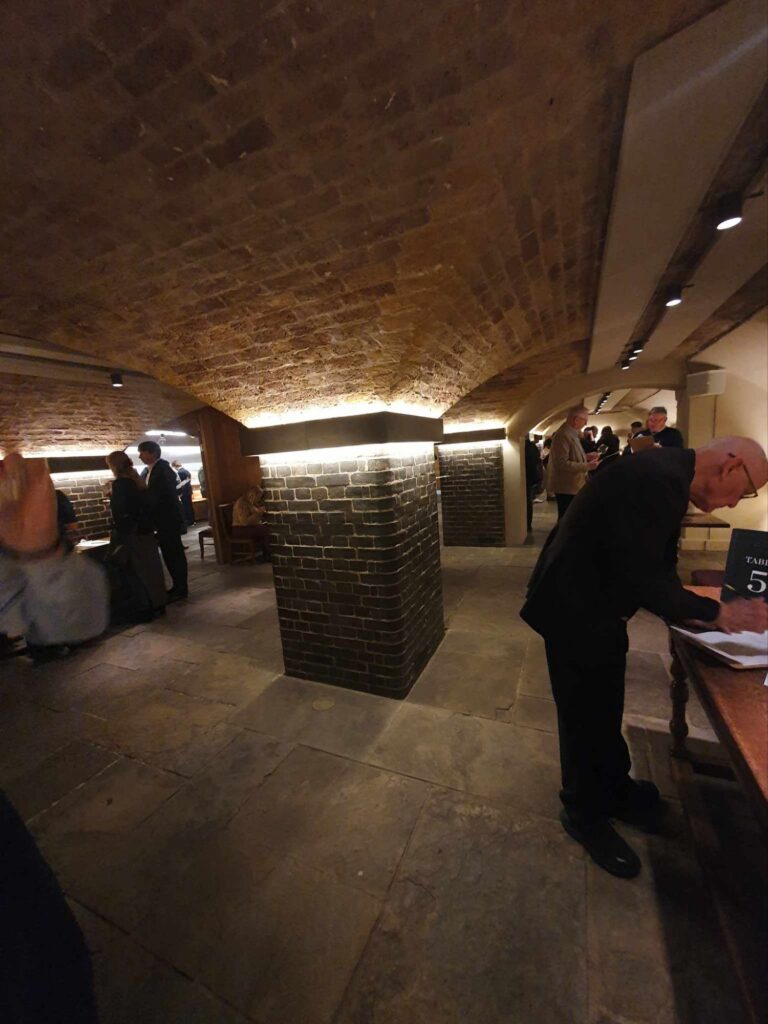
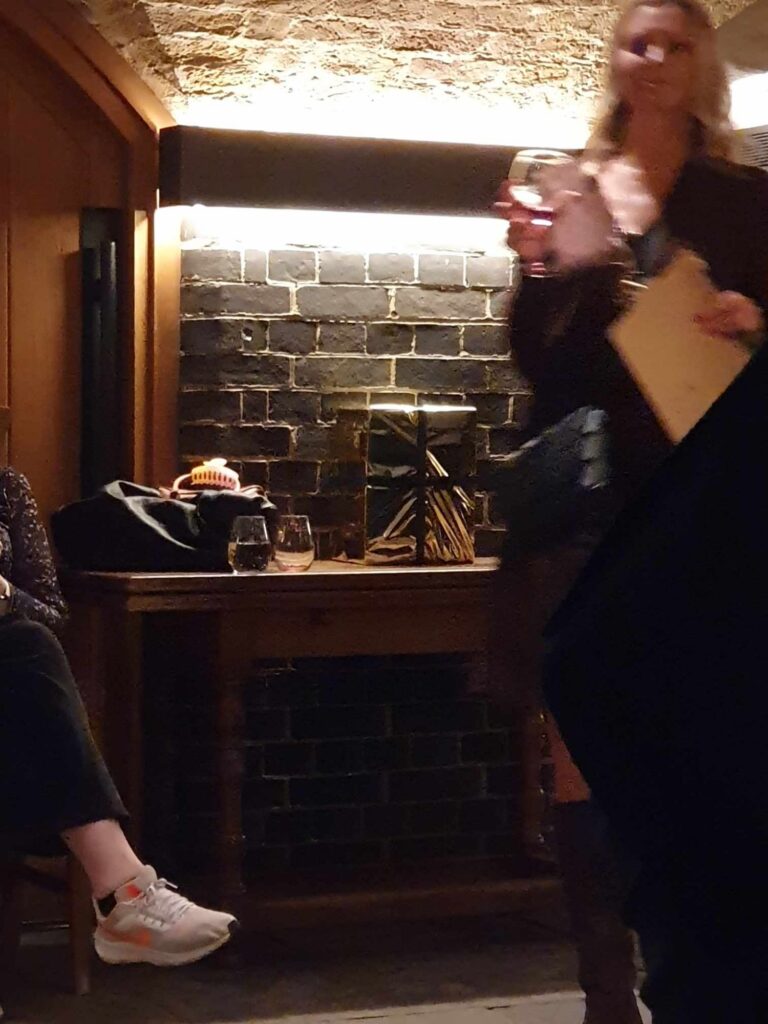
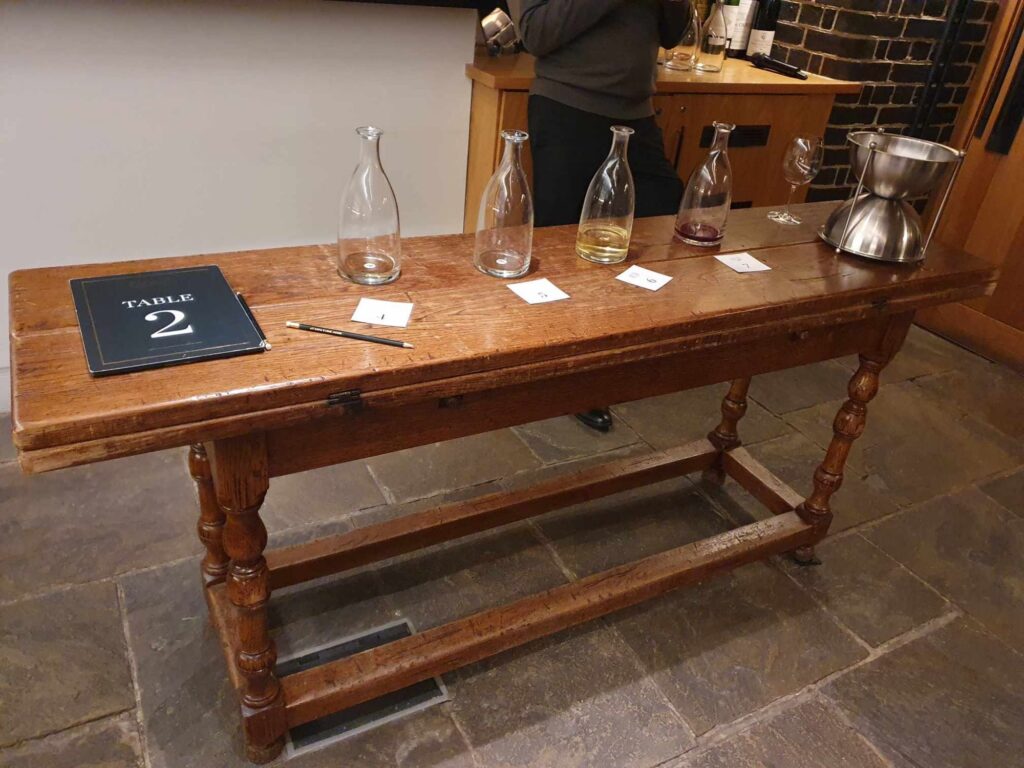
Last Friday evening (16/10/2026), I participated in the Great BBR Blind Tasting Challenge. 15 wines to taste in total, ranging from sparkling, whites, reds to fortified, were poured from clear, unlabelled decanters by the staff at multiple stations. Contestants were free to walk about and decide which wines to taste first at their own pace. Based on the wines we tasted, we were required to answer corresponding questions on the answer sheet. There were 17 questions (12 main plus 5 sub). The contestant reaping the most correct answers would be crowned the winner and take home a 6-bottle case of BBR own brand NV Champagne.
Wine 1 was a sparkler, which was also served as the welcome drink of the evening. The distinct apple pie aroma could be nothing else but a Champagne. The three other options, English Sparkling Wine, Cava and Prosecco were easily ruled out. Correct.
Wine 2 was a white displaying a pale greenish lemon colour. Both its nose and palate told me it was Option Three, Sauvignon Blanc. But for some reason, I circled Option Two, Torrontés. On one hand, I assumed the host wouldn’t choose a run-of-the-mill variety like Sauvignon Blanc. On the other hand, I had entirely forgotten the aroma and flavour of Torrontés, believing it was gooseberry-like and boxwoody just like Sauvignon Blanc. Later on when I reviewed my own tasting notes from 2022, I found Torrontés to actually be jasmine-y and peachy, nothing like Sauvignon Blanc at all. Incorrect.
Wine 3 was also a white. Its oily mouthfeel betrayed the variety as Viognier. For this reason, Option Two, Condrieu from the northern Rhône of France made from Viognier, should’ve been the choice. But its rather high acidity had me have a second thought. Hermitage Blanc, also from the northern Rhône and made from Marsanne and Roussanne, is also known for its oily texture. My second thought selected Hermitage Blanc and failed me. Incorrect.
Wines 4 to 6 were a flight of three Chardonnays, which we were asked to link to their provenances. Wine 4 was flinty as could be, which led me to Marlborough, New Zealand. Wine 5, heavily oaked with ultra-ripe fruit flavours, implied Russian River Valley, California. Wine 6 shared a similar flavor profile to Wine 5. Barrel-aged as well, but showed a fresher and more uplifting character. Margaret River, Australia was my choice. All three were correct.
Wines 7 to 11 were reds, and Wines 12 and 13 were sweet white wines. I decided to taste the sweet wines first. Wine 12 had an intense, unmistakably lychee aroma, which was a telling giveaway of Gewürztraminer. Correct.
With Wine 13, we had to determine both the grape variety and the source of sweetness. Sensing a subtle marmalade aroma, I guessed the sweetness had come from noble rot. Regarding the variety, to me, the flavour profile matched neither Option Two (Riesling) nor Three (Chenin Blanc). My educated guess was the host would choose something more unconventional than Muscat, Option One. Following this train of thought, I selected Option Four Petit Manseng, while completely overlooking its thick skin preventing botrytis from attacking it, meaning sweet wines made from Petit Manseng usually derive their sweetness from late harvest rather than noble rot. Wine 13 turned out to be a Vin de Constance from South Africa made from late harvested Muscat. Both answers incorrect. Wine 13 also featured a sub-question on the vintage. I wrote 2015. It was actually 2018. Incorrect.
Wine 7 was a Burgundy red. According to the clues given in the question, this highly perfumed and soft Burgundy should have hailed from Volnay. But it was actually from Pommard, typically known for its heavy, savoury, and structured style. I suspect the host deliberately picked a Volnay-like Pommard to trick us. This also goes to show that wines from the same village in Burgundy can be very different in style from one another. Incorrect.
Wines 8 to 10 were a flight of three Italian reds, whose varieties were to be determined. Wine 8 featured incredibly stubborn tannins. Because its aroma did not fit Option Two (Barolo) or Option Four (Chianti Classico), I picked Option Five, Aglianico. Wine 9 also showed powerful tannins, which ruled out Option One, Amarone. Its bland aroma further ruled out Barolo or Chianti Classico, leaving me to pick Option Three Barbera, although I was totally aware it was absolutely not a Barbera. By then, my fatiqued nose and palate started getting me a little confused. Fortunately, Wine 10, on my first sniff, revealed itself to me as an Amarone, which restored my confidence once again. It turned out Wine 8 was a Chianti Classico, which bizarrely lacked its signature tomato leaf scent; Wine 9 was an Aglianico, and Wine 10 was indeed an Amarone. Wines 8 and 9 incorrect; Wine 10 correct.
Wine 11 was made from one of the four following grape varieties: Cabernet Sauvignon, Merlot, Cabernet Franc, or Carménère and it was up to us to guess which one. As it lacked the distinct blackcurrant aroma, I excluded Cabernet Sauvignon right away. And since there were no notes of iodine, chilli pepper or pencil shavings, I didn’t think it was Cabernet Franc either. The tannins were medium, which contradicted the Carménère with high, chalky tannins as described in the clues. That left me with Merlot. But the correct answer was a Cabernet Sauvignon from California. What a surprise! In all fairness, I hadn’t tasted enough Cali Cab Sav to know it so well. It became clear to me the blackcurrant plus cedarwood character as I knew of in a Cab Sav was more of a Bordeaux trait. Looks like some serious Cali Cab Sav tasting is definitely needed for me. Incorrect.
Wine 14 was a Sherry. Being bone-dry, it could not be Option Three Pedro Ximénez (PX) or Option Four Cream Sherry. The wine was quite deep in colour with distinct nutty flavours, implying a level of oxidation in the winemaking process, hence not Option One Fino. The answer could only be Option Two Oloroso. Correct.
Wine 15 was a Port. Its ruby colour ditched the possibility of it being Option Three (20-Year-Old Tawny) or Option Four (Colheita Vintage Tawny). A more concentrated flavour and the richer texture ruled out Option One, the rather simple Ruby Port. I selected Option Two, a Late Bottled Vintage (LBV) Port. Correct.
Out of the 17 questions, I scored eight. The winner who took home that case of Champagne had scored 13 out of 17.
A blind tasting competition can be organised in many ways. I have been to incredibly bare-bones ones, where you simply write down the grape variety on a blank sheet of paper after tasting each wine, and the highest scorer wins. I’ve also been to a cool casino setting where grape varieties, regions and vintages carry different weightings. You then bet your chips. The participant with the most chips at the end is the winner. This particular BBR competition covered an incredible range of wine styles and asked meticulously-designed questions to gives hints to as well as challenge the contestants. The whole evening felt like a detective following leads to solve 17 cases. It was educational and great fun.
Looking back at the result, I’m convinced my overthinking was not helping at all. I would’ve scored much higher without it. In the meantime, I’d also overrated the host’s intention to include little-known varieties into their competition. If I enter again next year and want to win that Champagne case, my strategy will definitely need a few tweaks.
All the fun and education aside, by showcasing Sherry and Port in this competition, I believe BBR had a point to make. In a time when fortified wines are clearly out of fashion, this act manifests BBR’s historic significance. They are probably one of the very few wine merchants in the world that can include Sherry and Port in their blind tasting without the participants rolling their eyes. This is simply because were it not for BBR and its fellow British wine merchants, these fortified wines would have never been recognised and enjoyed its global popularity in the 18th century. By ending the tasting with a Sherry and a Port, I believe BBR was quietly reminding us of the pivotal role they have been playing in the global wine trade since 328 years ago.
A DipWSET working in the wine industry in London who loves travelling and writing.
Contact: hsin.thewinelover@gmail.com