
First of all, wine is made from grapes. A good harvest of healthy grapes make decent wine. Not-so-healthy grapes make mediocre wine. Simple as that.
Eurasian v.s. American
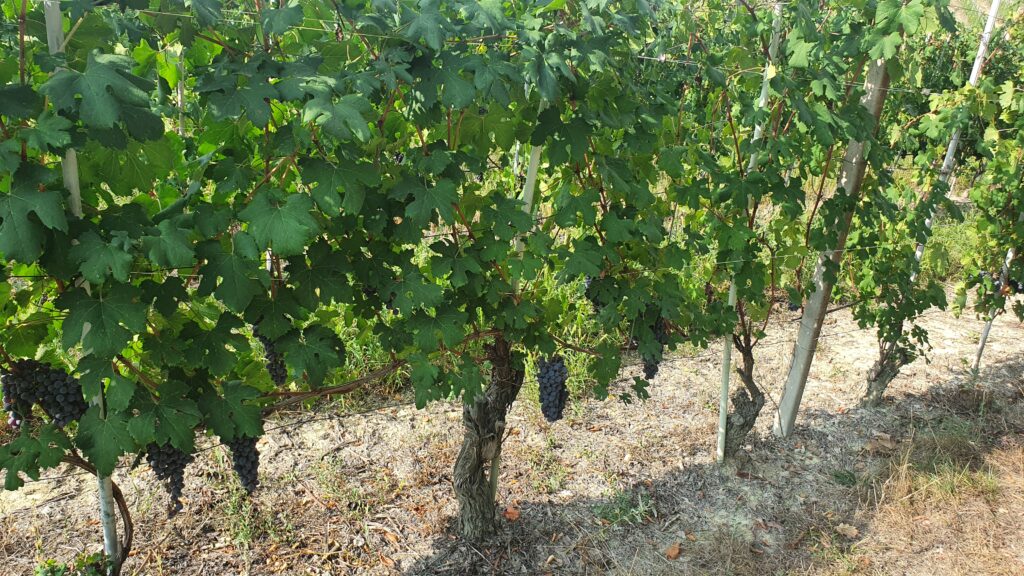
The grapes we are talking about here mostly belong to the Vitis vinifera family – the Eurasian species. Why? Simply because they make wine that tastes better. A relatively small amount of wine is made from the American species, such as Vitis labrusca and Vitis riparia.
Under the Eurasian species umbrella exist thousands of grape varieties, two of which are Riesling and Sangiovese. Riesling is the most widely grown white grape variety in Germany, while Sangiovese is the most prevalent black variety in Italy.
Destemmed or Whole-bunch
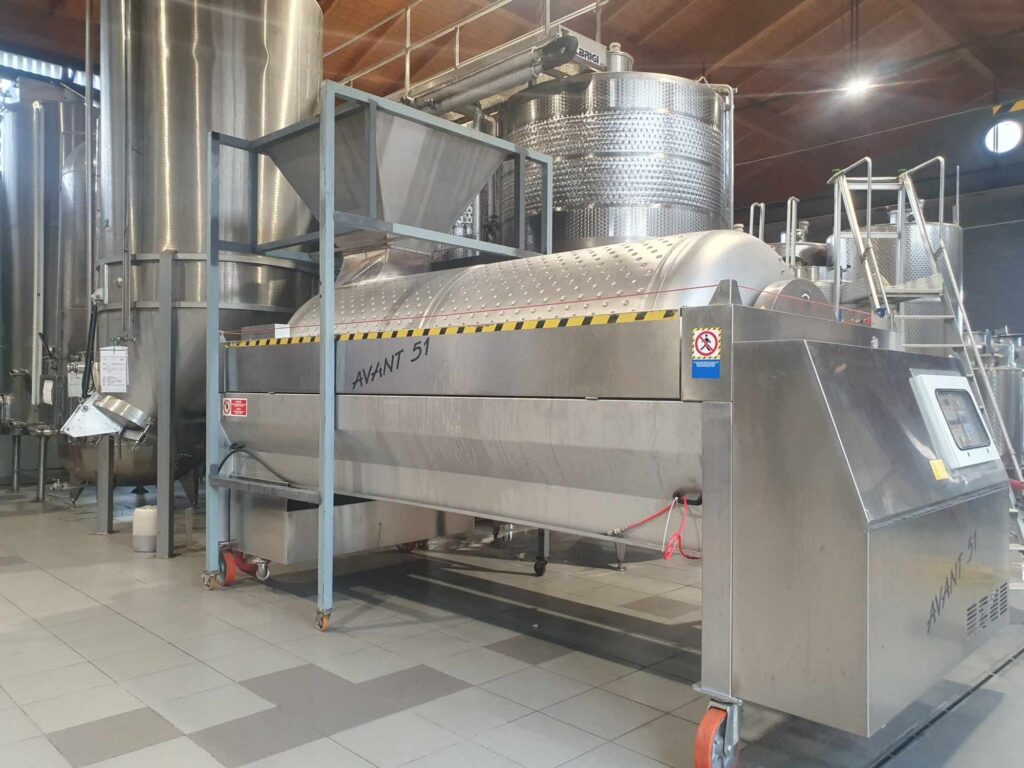
After the grapes are harvested, the clusters (if hand harvested) or the berries (if machine harvested) are sent to a destemmer to, obviously, be destemmed. But in some case you may prefer keeping the stems, especially when the grapes are hand harvested as whole bunches, believing they can add texture and more nuance to the wine.
With or without the stems. the grapes now undergo gentle pressing to release juice.
White/Orange/Red/Rosé
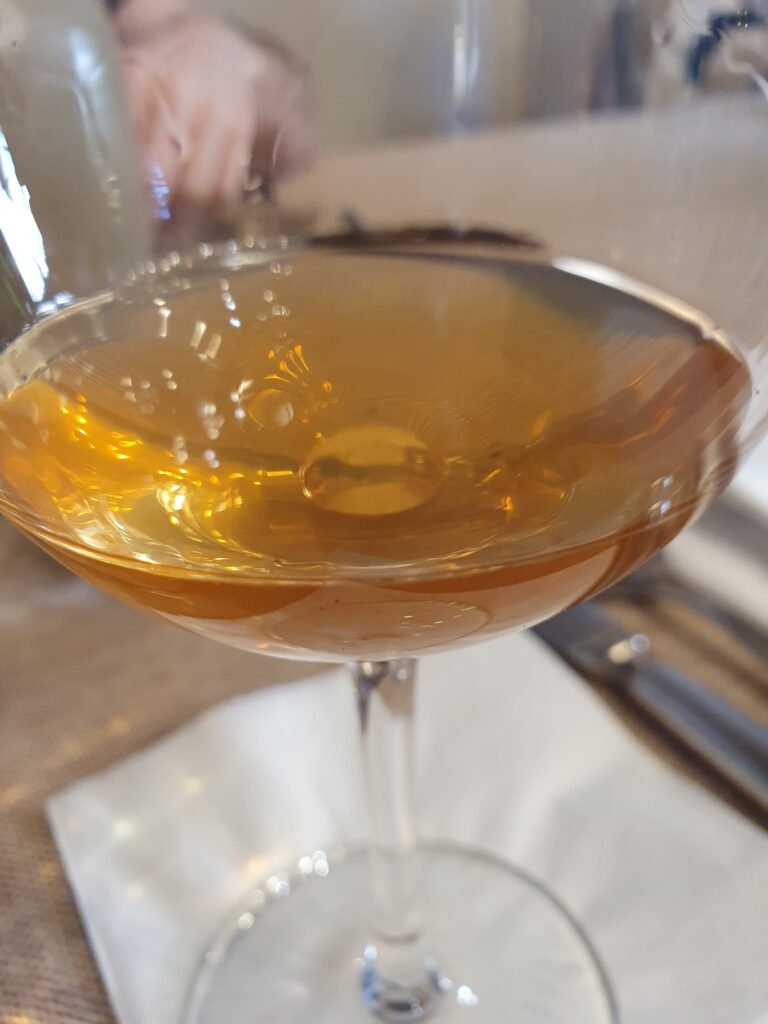
If you’re making a white wine, after the pressing, the white grape skins will be removed, for the resultant wine to achieve a lemony yellow, pretty much the exact colour of the flesh. While if what you’re making is a skin-contact wine, also known as orange or amber wine, after the pressing, the skins will stay in the juice through the fermentation to have the pigment on the skins extracted. This pigment tends to give the wine an orange/amber tinge.
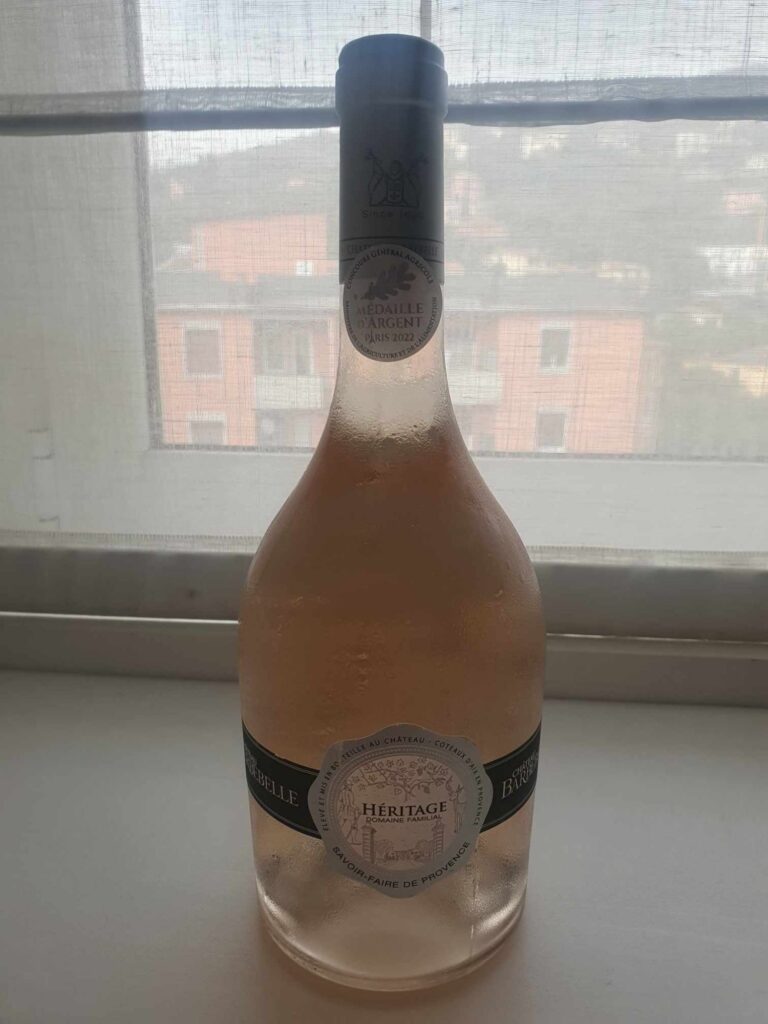
In the case of black grapes, to make a red wine, after the pressing, the skins, which give the colour, will definitely be kept with the juice throughout the fermentation. On the other hand, if you’re making a rosé, depending on how pale or deep you want the pink colour to be, the skins can stay in the juice for a few hours to a few days. The most extreme example is to remove the skins right after the gentle pressing to extract a faintest hue of salmon pink as in the making of a Provence rosé.
Commercial or Ambient
It takes fermentation to turn grape juice into wine. Fermentation takes yeast to occur. The yeast used can either be bought and added to the juice or existing naturally in the winemaking environment or on the surface of grape skins. The commercial yeast can assure a more consistent and uninterrupted fermentation, while the ambient yeast can give the wine a more unique character. There’s no right or wrong, no better or worse. It is entirely up to what you aim for and believe in.
Chemistry in the vat
During the fermentation, aroma and flavour compounds are being extracted. And in the case of orange and red winemaking, colour and tannins from the skins are also being extracted.
In addition to alcohol, fermentation also creates CO2 and heat. Therefore, good ventilation in the winemaking room is crucial for the wellbeing of the winemaking crew.
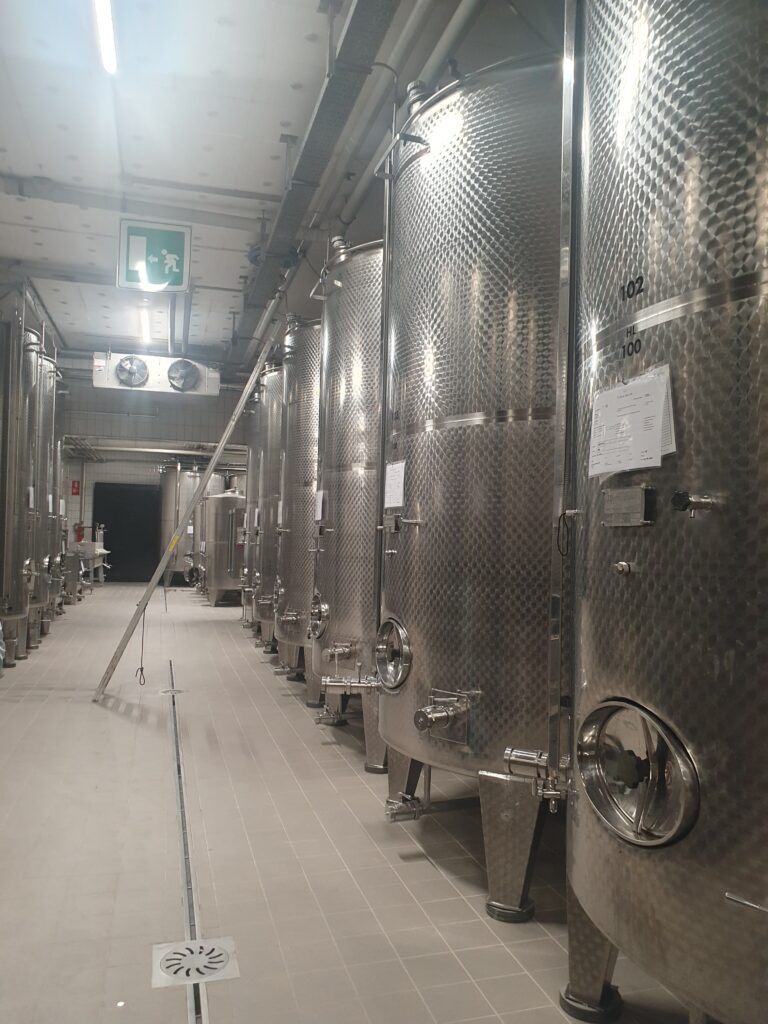
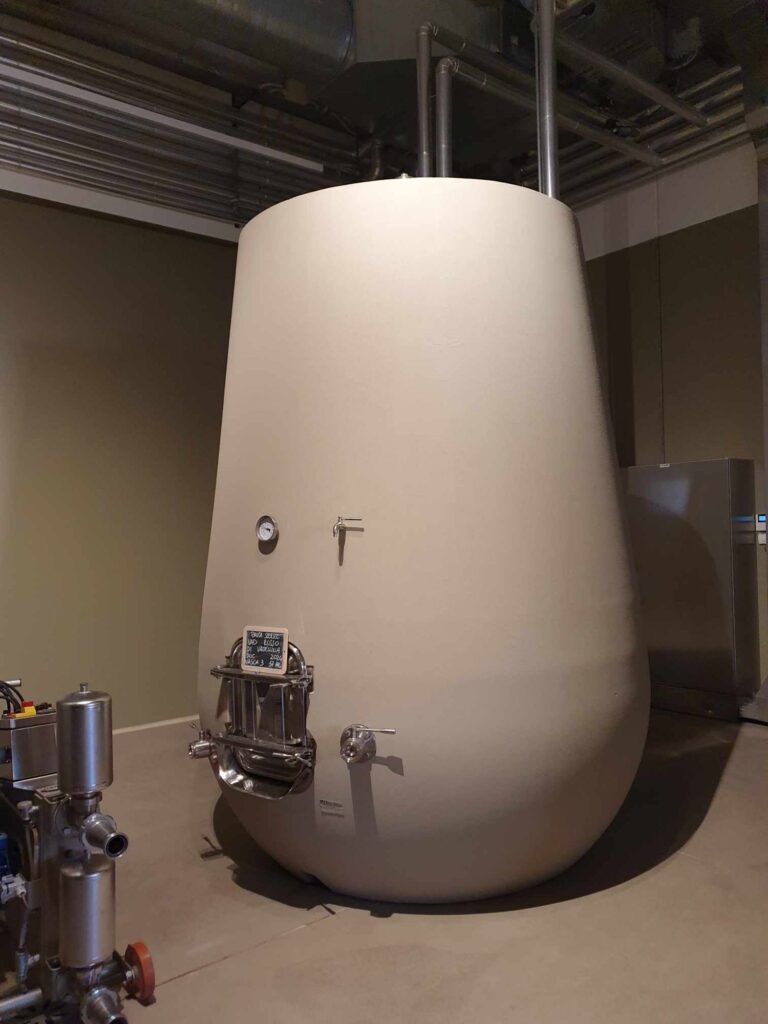
Fermentation mainly takes place in stainless steel vats, because they are easier to clean, but concrete vats, concrete eggs and wooden barrels are also widely used.
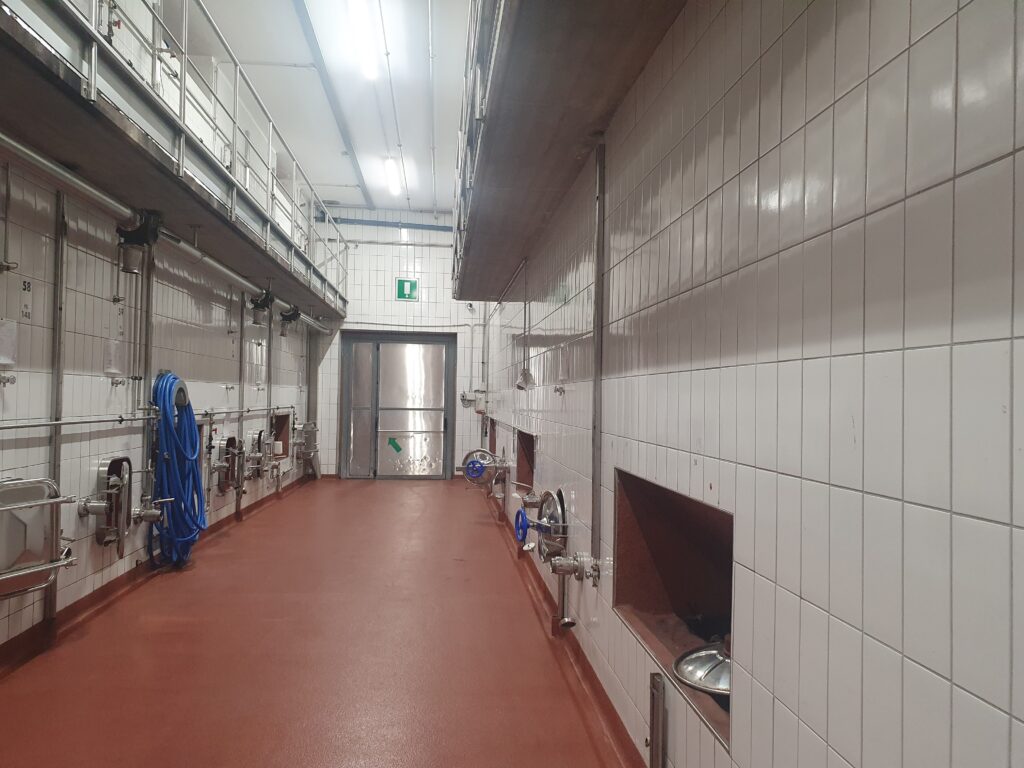
The length of fermentation depends on when all the sugar in the juice is consumed by the yeast and turned into alcohol. Or if you wish to make a sweeter wine, you can end the fermentation earlier by either chilling the juice, filtering out the yeast or adding SO2 to deactivate the yeast.
When the fermentation ceases, grape skins, in the case of orange and red winemaking, are now removed from the wine. However, you may even choose to keep the skin in the wine way after the fermentation for maximum extraction of tannins, texture and flavours. Again, it’s up to what style of wine you’re after.
Malolactic and Lactones
During the fermentation or during the rest after the fermentation, if you increase the temperture of the wine, malolactic conversion (MLC, some call it malolactic fermentation, MLF) can occur. This is to convert the tart malic acids into rounder, softer lactic acids. When MLC does not take place automatically, you may inoculate lactic bacteria into the wine to make it happen.
MLC is usually a must-do in red winemaking, to smoothen the mouthfeel, as in red wine, not only are there tart acids, there are also harsh tannins. MLC tends to be more optional in white winemaking. A buttery Chardonnay from California is a typical example of MLC being switched on in white winemaking.
Maturation, quick and slow
Depending on the desired style, you may clarify and bottle the wine straignt away after the resting phase or you may mature the wine for a period of time, long or short, in stainless steel vats, concrete vats or wooden barrels.
Among all the wooden barrels, oak is the most commonly used. Newer oak barrels with a lower toasting degree can release oak lactones into the wine, giving it a sweet note such as that of coconut, vanilla or baking spices.
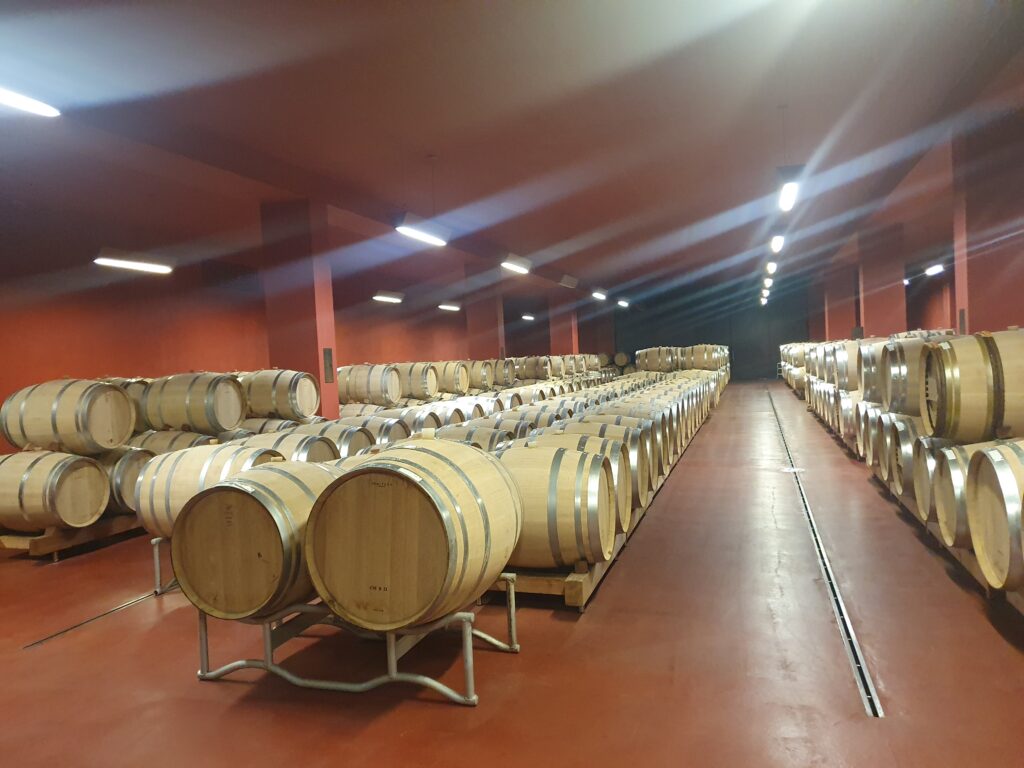
Not only does post-fermentation maturation take time, it also takes up the space in the cellar for as long as the wine is matured. For example, by law, a Barolo cannot be released to the market until it’s been matured for 38 months. This makes the cost of making a bottle of Barolo easily higher than making a bottle of early-drinking New Zealand Sauvignon Blanc.
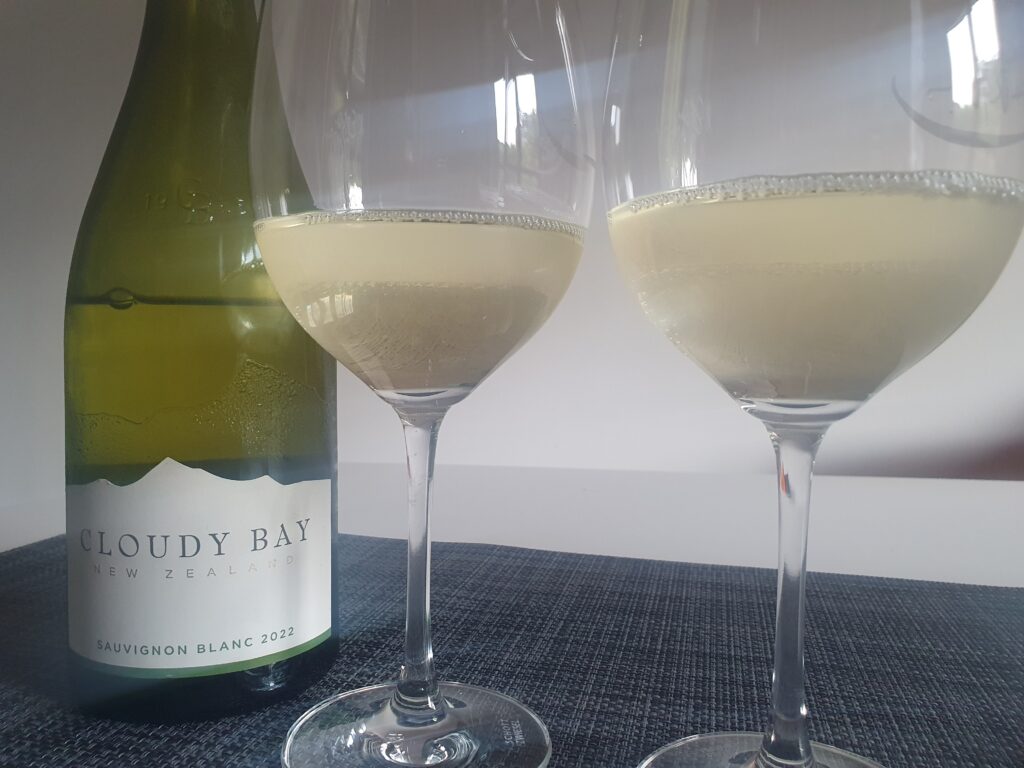
grapes harvested March/April 2022, released to market October 2022, tasted June 2023
(photographed in 2023)
After the maturation, you may now clarify, bottle and release the wine to the market.
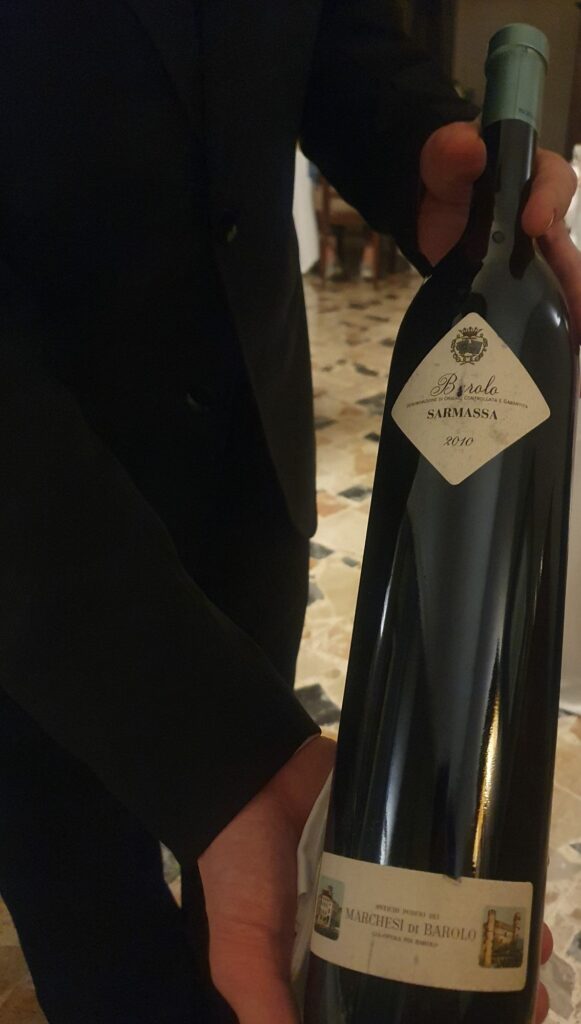
grapes harvested October 2010, released to market January 2014
tasted October 2026
(photographed in 2026)

A DipWSET working in the wine industry in London who loves travelling and writing.
Contact: hsin.thewinelover@gmail.com